Talaash (2013) – Screening Notes

THE ANSWER LIES WITHIN
Cast & Crew
Aamir Khan – Inspector Surjan Singh Shekhawat
Kareen Kapoor – Rosie
Rani Mukerj – Roshni Shekhawat
Written by
Reema Kagti  Farhan Akhtar, Zoya Akhtar, Anurag Kashyup
Directed by Reema Kagti
Running time 131 minutes
Though largely ignored by Western audiences Bollywood movies are big business in one of the largest territories in the world. Once mocked for their low budgets (visit Youtube and search for the Bollywood version of Spielberg’s Jaws for a cheap laugh) these days Hindi movies are as stylish as their Hollywoodcounterparts. Many of these films are musicals and influenced by the work of classic directors like Stanley Donen (Singin’ in the Rain). The tone is one of pure entertainment, escapism from everyday life. For an idea of how gloriously demented and funny they can be seek out Om Shanti Om (2007, Farah Khan).
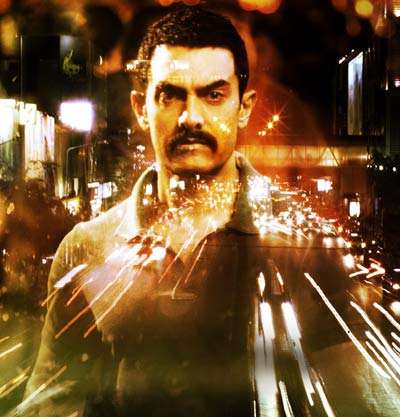
Talaash is something else entirely, a sleek crime thriller with a phantasmagorical edge. The opening credits set the tone with a jazz torch song playing over images of neon-lit strip joints, working girls plying their trade, and beggars in the street. An unusually bleak opening for a Bollywood movie and one which tells us director Reema Kagti is taking a more realistic approach to the material and will not shy away from showing the rougher side of life in one of Mumbai’s roughest areas.

Crime thrillers are as much about the man investigating wrongdoing as they are about criminal activity. Inspector Surjan Singh is a grieving father with a crumbling marriage who becomes obsessed with a seemingly unsolvable case involving a dead movie star. Singh develops a bond with Rosie, a prostitute who guides him through the backstreets of Mumbai as he searches for the answers he seeks. Rosy however seems to know more than she is letting on and what began as a simple car accident becomes something much stranger. 

Lincoln (2012, Steven Spielberg) – Screening Notes

“The greatest measure of the Nineteenth Century. Passed by corruption, aided and abetted by the purest man in America.”


In Frank Capra’s classic movie Mr Smith Goes to Washington (1939) a regular guy enters politics and is horrified by the corruption he witnesses. At his lowest ebb he considers quitting but finds new strength at the Lincoln Monument. Capra backlights Lincoln’s statue making it look God-like, a mythical figure. Interesting then to see Steven Spielberg’s biopic which presents Lincolnin an earthier fashion. A man who argues with his wife, tells jokes in company, and is more than capable of dealing with the complexities of political life. Tony Kushner’s screenplay begins in 1865 amongst the blood and chaos of the Civil War then follows Lincoln’s attempts over the next year to win the twenty votes he needs to force through the Thirteenth Amendment banning slavery.

Kushner previously collaborated with Spielberg on another historically based movie Munich (2005) about the Israeli hit squad seeking reprisals for the eleven murdered athletes at the 1972 Olympics. He is best known in the USfor his Pulitzer winning play Angels in America set at the height of the AIDS epidemic and his writing has a grittiness which counterpoints Spielberg’s tendency towards grand spectacle. Though epic in scale and length Lincoln takes place mostly indoors and concerns itself more with the backroom deals, political machinations, the compromises needed and sometimes cast aside for progress to be made. At the heart of the film is a towering performance from Daniel Day-Lewis, suggesting both the charisma of Lincolnand the greatness in the man which still makes him the most revered of all American Presidents. 

The Impossible – Screening Notes

“I will find them, I promise you that.”

The Impossible is based on the true story of the Alvaraz family and their incredible struggle to survive the Tsunami which devastated Thailand in 2004. Though the family’s nationality has been changed from Spanish to British the film is apparently a credible recreation of events. Ewan McGregor and Naomi Watts play parents whose career worries fade into insignificance when they are separated from each other by the disaster. Henry (McGregor) is left with two of their boys, while eldest son Lucas (Tom Holland) is swept away with Maria (Watts).
Director Juan Antonio Bayano made his feature debut with the creepy horror film The Orphanage (2007) and you can see the influence of that genre here. Bayano builds tension with close-ups of everyday objects being used (a juice blender, a ball bouncing) that coupled together with the ominous music seem to act as portents. The first act makes it very clear the devastating the effects of the Tsunami hitting the resort and the sound design department captures every crunching noise as trees are snapped like twigs, buildings demolished, and people dragged underwater. Camerawork is often handheld and used to disorient the viewer.
It would be unfair to reveal any more except to say after this powerful opening sequence the film becomes a journey through a ruined landscape as the survivors come together and try to find their own folk. While Watts received an Oscar nomination for her performance and McGregor also impresses young Tom Holland steals the film as the resourceful Lucas. There is also a striking but all too brief appearance from Geraldine Chaplin as a kindly stranger. The Impossible is a powerful but ultimately rewarding viewing experience. 


Written by Sergio G. Sánchez, Maria Bélon
Directed by Juan Antonio Bayano
Running time 114 mins

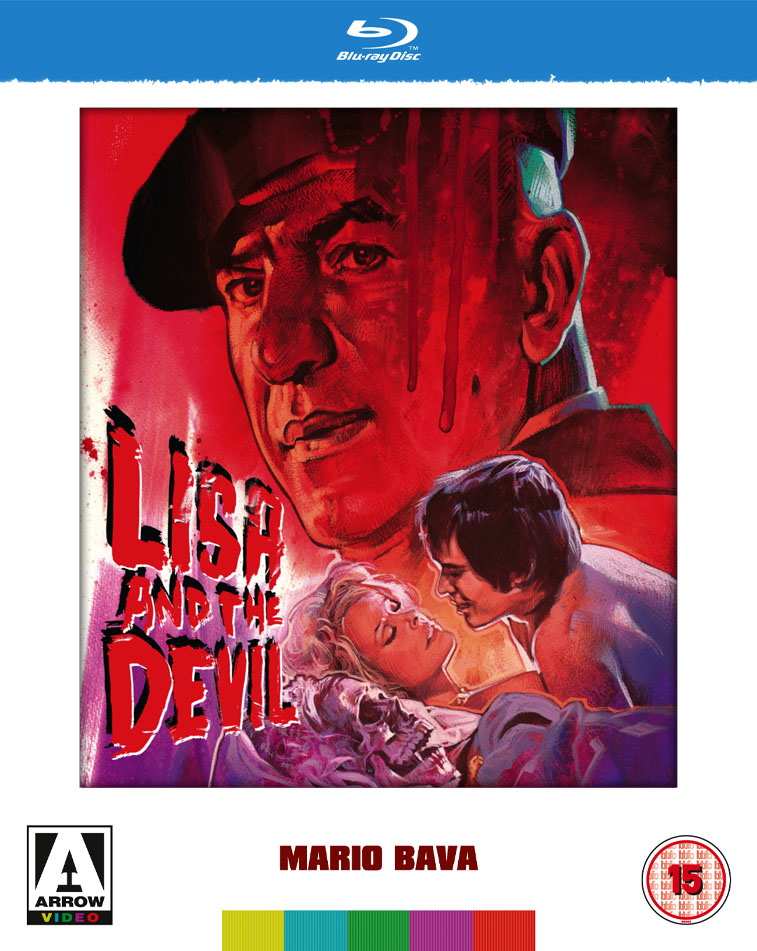
Lisa and the Devil (1974, Mario Bava)

“Most things aren’t that easy to mend.”
Took me a while to get through this wonderfully put together release from Arrow Video which includes two versions of the film, director’s commentaries for both, and an accompanying booklet plus a making of documentary. Rarely seen in its original form until 1983, Lisa and the Devil was re-edited by producer Alberto Leone after it failed to attract any distributors at the Cannes Fim Festival. Leone added new footage to cash in on the success of William Friedkin’s The Exorcist (1973).  The resulting farrago became The House of Exorcism, a notoriously awful production in need of an exorcism with only the ghost of Bava’s original intentions remaining.  Thankfully the devilish influence of Leone was removed by an American network television channel who screened Lisa and the Devil as Mario Bava originally intended.
Lisa (Elke Sommer) is part of a group of tourists admiring a Fresco painting of the Devil carrying away the dead.  She is led away from the crowd by the sound of music into the back alleys of the city and loses her way.  Lisa enters an old antiquarian shop to ask for directions and meets Leandro (Telly Savalas) who is purchasing a life-sized dummy of middle-aged man.  Unsettled by Leandro, whose likeness is uncannily like the Devil in the Fresco painting, Lisa tries to find her way back to the square.  Instead she encounters Leandro again in maze-like streets, then a man who shares a resemblance to the dummy he was carrying.  As darkness falls she grows increasingly lost, until she hitches a lift in a chauffeur-driven vintage car to a house in the country. Instead of reaching safety Lisa finds herself haunted by memories of a past life.  Leandro is there too working as the butler, a wry, amused presence watching over the occupants of the big house as if he has seen this all before.
Mario Bava is usually given the backhanded compliment of being a great horror film director though he is so much more. A former cameraman, Bava’s eye for detail and his mastery of the technicalities of directing helped him create a lush visual style. Bava is less concerned with coherence than with creating a mood, often with a dreamlike logic and a talent for ending his films with unforgettable images. A recurring theme in the Bava’s work is the ruination of beauty; of things dying and decaying. There is a sense of loss in his films and a belief in death being a transformation into something beyond our understanding which is affecting regardless of whatever kind of film Bava is directing.
Lisa and the Devil is Bava’s purest film, a stylish gothic fantasy with a magnificent score by Carlo Savina. Sadly for many years it was only available in its fragmented form as House of Exorcism in which a demonic possession plot investigated by an American priest (Robert Alda) alters the meaning of the original movie completely. Bava’s ambiguity is replaced with the certainty of Lisa’s innocence as a Linda Blair style demonic possession takes over her. The latter is worth watching out of interest just to see how Leone carried out what he considered a salvage job on a movie he couldn’t sell. In 1974 Lisa and the Devil seemed a little out of time in an era where the Devil was launching profanities and green puke from a child’s mouth. It may have taken a few years but it is good to see some things can be mended. 

Hitchcock (2012, Sacha Gervasi)

“That, my dear, is why they call me the Master of Suspense.” 

Based on a book by the film writer and Hitchcock expert Stephen Rebello Hitchcock deals with the production of Psycho and the director’s battles with the studios to get the film made. To be honest I was dreading Hitchcock fearing another My Week with Marilyn (2011, Simon Curtis) debacle with famous actors giving awkward impersonations of film stars from days gone past and there is an element of that here. Neither Anthony Hopkins or Scarlett Johansson remotely resemble Hitchcock or Janet Leigh respectively. Hopkins gets the voice and mannerisms right but you never feel for a moment you are watching anything other than a performance. James D’Arcy however is a great fit for Anthony Perkins if a decade to old for the delicate tormented star but it is a lovely performance though sadly he’s only in a handful of scenes.
Another problem is the lack of drama present in this story. Hitchcock’s approach to making Psycho may have been unusual but it is not extraordinary. The attempts to portray Hitchcock as a busted flush and a tired old man don’t ring true. There was conflict yes with the studio but not overly so and nobody died during production. Hitchcock’s marketing of the film was ingenious but doesn’t really come across here. Yet despite these flaws Hitchcock has a playfulness which carries it even though I suspect you would learn more about the Master of Suspense’s approach to directing Psycho  by watching Gus Van Sant’s much maligned but fascinating shot-by-shot remake.
Hitchcock opens with notoriously insane Ed Gein killing his own brother. Robert Bloch’s novel ‘Psycho’ is a salacious adaptation of Gein’s life. A mummy’s boy who became increasingly disturbed after her death, Gein began to exhume corpses from his local graveyard to use their body parts for household objects. Eventually Gein murdered at least two more people. Gein (Michael Wincott) reappears throughout Hitchcock as a manifestation of Hitch’s id and it is a pity director Sacha Gervasi doesn’t take more risks rather than the conventional biopic approach the rest of the film follows. John J. McLaughlin’s screenplay is more interested in the relationship between Hitchcock and his wife Alma (Helen Mirren) and her importance as a producer which is fine but the scenes of them sniping at each other over breakfast turn the middle part of the film into a domestic chore.
While there is a gallows humour Hitch would have approved of McLaughlin and  Gervasi never delve deep into his psyche or offer much insight into the creative process. The obsession with Hitchcock’s leading ladies is dealt with briefly but not with the same relish as the recent HBO TV movie The Girl which was undone by the ludicrous casting of Toby Jones and the faux classiness that has infected that channel’s recent output (Game of Thrones apart). Hitchcock is better value but if you’re really interested I’d recommend reading Rebello’s Alfred Hitchcock and the Making of Psycho instead. 

Films of 2012 – Part 2

10) Goon (Michael Dowse)


The presence of American Pie alumni Seann William Scott and Eugene Levy suggested another gross-out comedy but Goon is so much more. Based on the book ‘Goon: The True Story of an Unlikely Journey into Minor League Hockey’ by former player Doug Smith and Adam Frattasio it is as much about a young man’s search for a place in the world as it is about him punching people during hockey matches. There are great supporting performances from Alison Pill as a local drunk who attracts Doug’s attention and Liev Schrieber as an ageing enforcer with a realistic outlook on why guy’s like him are needed. It is William Scott’s movie though and he is a revelation as the tough guy with a tender side. 

9) Electrick Children (Rebecca Thomas)


An updating of the Virgin Mary story with a Fundamentalist Mormon teenager apparently becoming pregnant after listening to a cassette tape of a recording of Blondie’s ‘Hanging on the Telephone’ and heading for the city. Thomas comes from a Mormon background and pleasingly Electrick Children never patronises the lifestyle her protagonist is escaping from. Thomas also conveys a beauty, a wonder at everyday items; music, cars, hanging out, and the gaudy neon lights of Vegas. Loved its strange near apocalyptic ending too, “Let’s go back to the beginning…” 

8) Cosmopolis (David Cronenberg)


Continuing Cronenberg’s fine form after the underrated A Dangerous Method, this adaptation of Don Dellilo’s novel is mostly faithful though it moves the action away from the shadow of 9/11 to the recent economic crisis as Robert Pattison’s dead-eyed businessman moves through New York on an odyssey to feel something, or anything at all.
7) Magic Mike (Steven Soderbergh)


Some commentators described Magic Mike as being lightweight Soderbergh but I disagree. There is a lightness of touch certainly, but the serious stuff is there in the background. It deals with the same themes as the low-budget and rather dull The Girlfriend Experience (2009), the economic crisis, the experiences of those working in the sex industry, their personal relationships, and hopes for the future, but with a charm and humour missing from the earlier film. Also Matthew McConaughey is far more terrifying as the master of ceremonies here than in his other cowboy hat wearing performance from last year in William Freidkin’s Killer Joe. 


6) Tabu (Miguel Gomes)


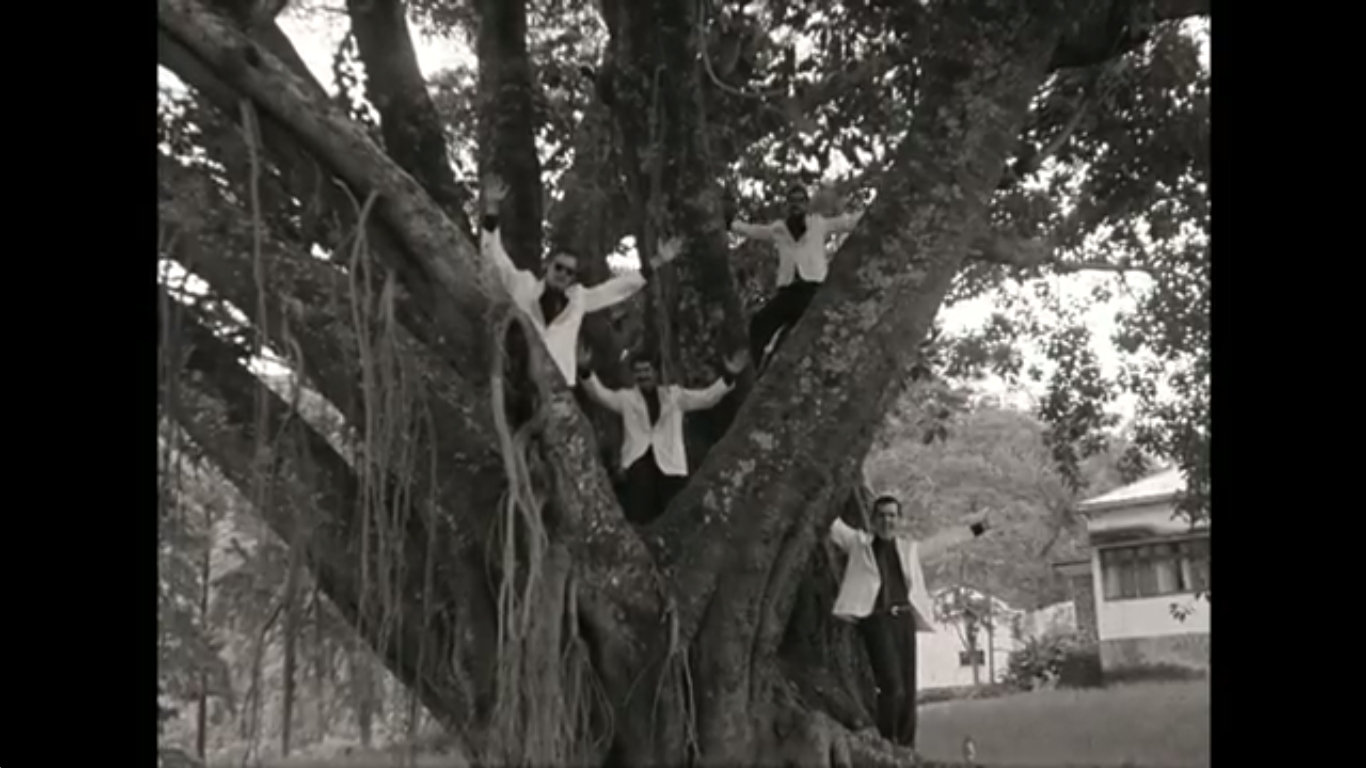
Inspired by Murnau’s Tabu: A Story of the South Seas this also presents an exotic love affair. In a contemporary wintry Lisbona human rights lawyer checks in on her elderly neighbour and promises to find a man she once loved. The lady dies before he can see her so he narrates the story of their love affair which Gomes presents in the style of a silent movie, with no dialogue only voiceover and 1950’s pop songs. Blissfully melancholic, with Tabu Gomes emerges this year as key figure in world cinema.

5) Detachment (Tony Kaye) 


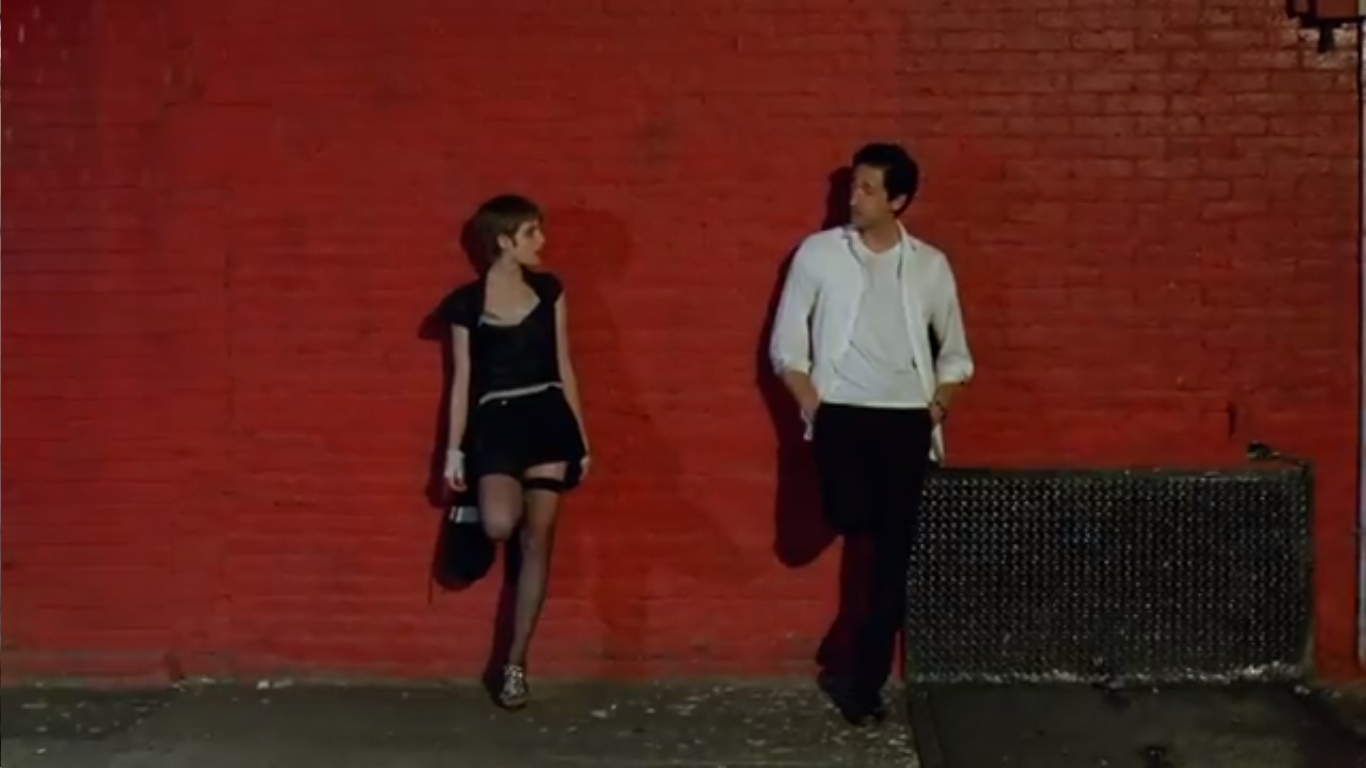
Detachment is easily one of the most pretentious films of 2012 (its protagonist is called Barthes for Christ sake) yet it works thanks in part to a soulful performance from Adrien Brody. Director Tony Kaye takes the familiar story of a substitute teacher connecting with their students and kicks the Albert Camus out of it. It is rare films are this impassioned and genuinely attack the subject they are dealing with. 


4) The Hunter (Daniel Nettheim)


Marketed as a thriller with Dafoe’s archetypal mercenary travelling to Tasmaniato hunt down the last remaining Thylacine yet it abandons this setup for much of the film as he becomes a surrogate father to two children and surprises himself by wanting to fulfil this role. Like The Grey its about connecting to those around you, our own impermanence and the inevitability of death, about the  by Browse to Save”>landscape enduring while people or in this case whole species come and go. There is more than a touch of Peter Weir style mysticism about The Hunter, of something intangible being expressed with a  by Browse to Save”>great deal of subtlety.    Full review here. 

3) Moonrise Kingdom (Wes Anderson)


I’ve never subscribed to the theory Wes Anderson’s films are cold. They always seem have plenty of heart under their beautifully designed surfaces. Moonrise Kingdom is his most affecting film yet. As a rebellious khaki scout and his sweetheart set forth on a great adventure into the wild pursued by the bewildered and melancholy adults there is a strong feeling of nostalgia for a place only Wes Anderson knows the way to. 

2) The Grey (Joe Carnahan)


Nobody expected a film as relective or as haunting from the star and director of The A-Team. The premise is pure B-movie, a plane crashes and a dwindling group of survivors must fend off the attentions of ravenous wolves but Joe Caranahan makes us care about these people. Its protagonist collects their wallets and lays them out at the end just before the final conrontation between man and wolf which tellingly Carnahan never shows. Who do you love? What is keeping you here? The Grey is the action/horror film as memento mori. Full Review here.


1) Holy Motors (Leo Carax)


Leo Carax’s dreamlike odyssey through the possibilities of cinema, performance, and human experience. Holy Motors is playful, surprisingly funny, and filled with loss. No other contemporary actor could deliver the kid of athletic protean performance Denis Lavant brings here. Lavant mixes the chameloenic abilities of Lon Chaney with the joyful physicality of Douglas Fairbanks. Holy Motors is one of a kind. And Kylie Minogue sings a ballad written by Neil Hannon which channels Michel Legrand and like the film is perfect, just perfect.

Films of 2012 – Part 1

20) Young Adult (Jason Reitman)


As an aimless and rather hopeless thirty-something I found watching Young Adult to be more painful than trying to sit through a Michael Haneke movieMavis (Charlize Theron), a narcissistic writer of teen fiction returns to her small hometown in a spectacularly misjudged attempt to persuade her high-school sweetheart to leave his wife and new baby. Normally in a film like this the protagonist would learn a few life lessons from those she encounters but Diablo Cody’s excruciatingly funny screenplay leaves Mavis only marginally more self-aware than she was at the beginning. Great support too from Patton Oswalt as a sweet-natured barfly.

19) Prometheus (Ridley Scott)


So yes Prometheus is not perfect and yes there are some silly moments most notably Rafe Spall coochy-cooing an alien life form despite his character being a scientist and therefore presumably a rationalist and not the kind of fucking idiot who tries to pet a space snake without studying it first. Yet Scott’s visionary approach to science fiction and his refusal to simply rehash the claustrophobic feel of Alien (1979) and instead return to key themes from his masterpiece Blade Runner (82), the search for answers from an uncaring creator and the certainty of death no matter how much we struggle against it. And at the film’s center is an android who watches every movie ever made and decides quite rightly he wants to be Peter O’ Toole playing T.E. Lawrence. 

18) Boxing Day (Bernard Rose)


Bernard Rose’s fourth Tolstoy adaptation turns ‘Master and Man’ into a road movie as a businessman and his chauffeur travel through a wintry Colorado looking at foreclosed properties.  Rose clearly learnt a lot from making Anna Karenina (97), namely cast Danny Huston as the lead instead of a supporting player and avoid the traditional heritage cinema approach. Rose used the same lo-fi digital aesthetic to make the modernised  Ivans XTC (99) and The Kreutzer Sonata (2008) and takes a similar approach here yet in all of these films Tolstoy’s themes of man in existential crisis and social divisions are entirely relevant. 

17) Seven Psychopaths (Martin McDonagh)


Martin McDonagh’s movie was sold as a knockabout comedy about guys waving guns and swearing a lot. Really it’s about the power of passive resistance and the inevitability of death. Surprisingly thoughtful and moving if not particularly funny. Full review here

16) Rust and Bone


Never cared much for Jacques Audiard’s earlier work but this atypical move into poetic realism is sublime. Rust and Bone is as manipulative as any Hollywood movie. I actually wish Audiard embraced the genre aspects of his film a bit more because oddly enough the filmmaker this brought to mind for me was John G. Avildsen (Rocky, The Karate Kid). Full review here

15) Anna Karenina (Joe Wright)


I suspect the formally daring approach by Wright and screenwriter Tom Stoppard to set Anna Karenina almost entirely within a theatre has more to do with budgetary concerns than employing Brechtian Techniques or making an artistic statement.  Yet so beautiful is the set design by Sarah Greenwood and Katie Spencer this artifice is barely noticeable. This Anna Karenina works far better than the Bernard Rose 97 version in which the authentic locations seemed far more of a distraction. There’s an odd campy tone to the opening proceedings which comes a little too close to Baz Luhrmann territory but settles down when Anna falls for Vronsky. Some found it cold but it retains Tolstoy’s sympathy for all concerned. Seeing an older balding Jude Law playing the cuckolded husband when fifteen years ago he would have been cast as the virile young lover is rather touching. 


14) 21 Jump Street (Phil Lord, Christopher Miller)

Fair play to Johnny Depp for reprising his role from the original 80’s TV show for the best cameo of the year. Writers Michael Bacall and Jonah Hill’s screenplay sends up everything from the original show’s premise, to Hollywood’s lack of creativity in asking for this film in the first place. Tatum is a revelation. Using producer Stephen J. Cannell’s famous signature logo during the film’s credits was a nice tribute to one of TV’s finest. 

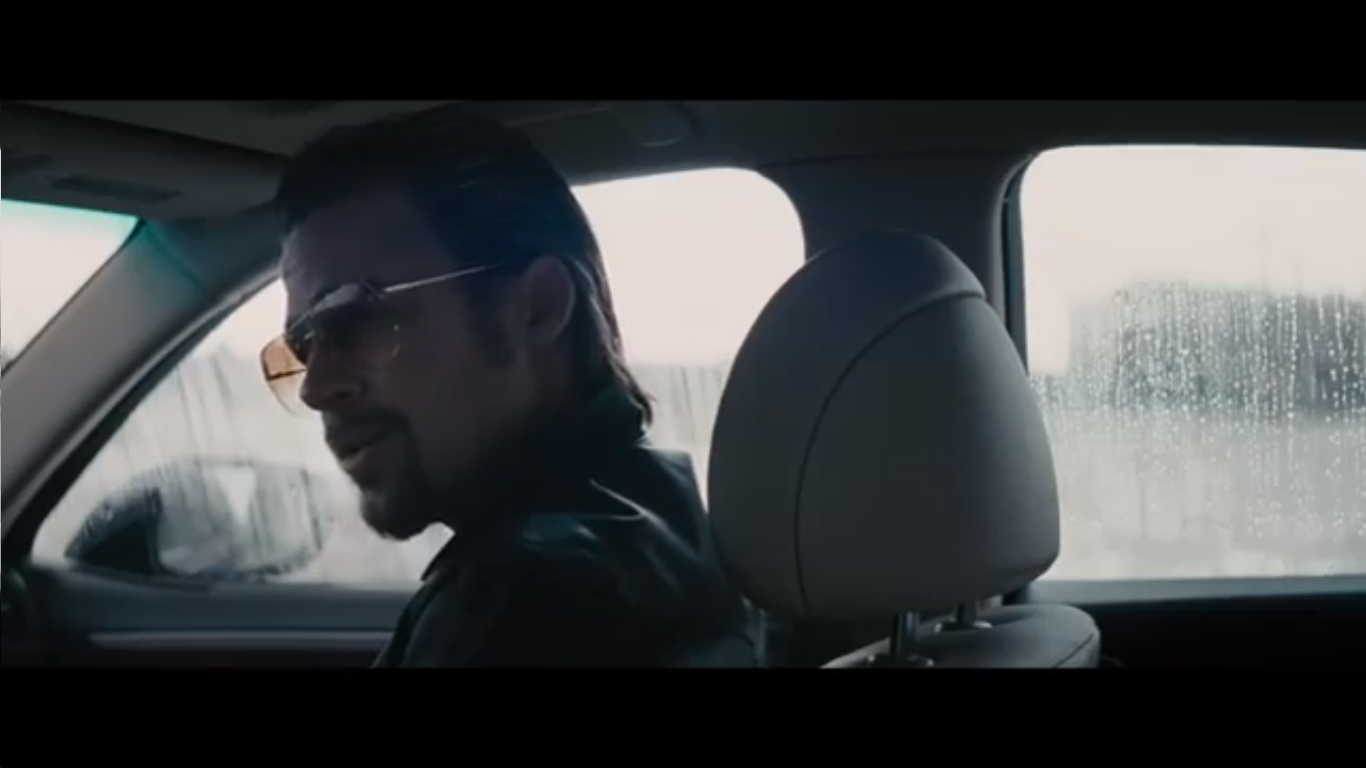
13) Killing Them Softly (Andrew Dominik)


Dominik hammers home his political message but Killing Them Softly remains a spare and elegant thriller. As with his earlier films it deals with an overtly male environment, of macho posturing and casual often horrifically intimate violence. Brad Pitt’s efficient hitman cleans up after a card game is knocked over by a couple of inept thieves (Scoot McNairy and Ben Mendelsohn, both outstanding). The hard-boiled dialogue crackles and the scenes between Pitt and middle-management gangster Richard Jenkins are particularly good, leading to a memorable verbal showdown in a bar. 

12) The Moth Diaries (Mary Harron)

Ambigious vampire-themed tale set in an all-girls Boarding school in which Lily Cole is the ethereal new arrival whose presence throws troubled teen (Sarah Bolger) into crisis. Its bloodlessness turned many critics off but this is an intelligent riff on the vampire story with a nod to Sheridan Le Fanu’s ‘Carmilla’ and a genuinely haunting performance from Cole. No UK release but worth importing on DVD. 

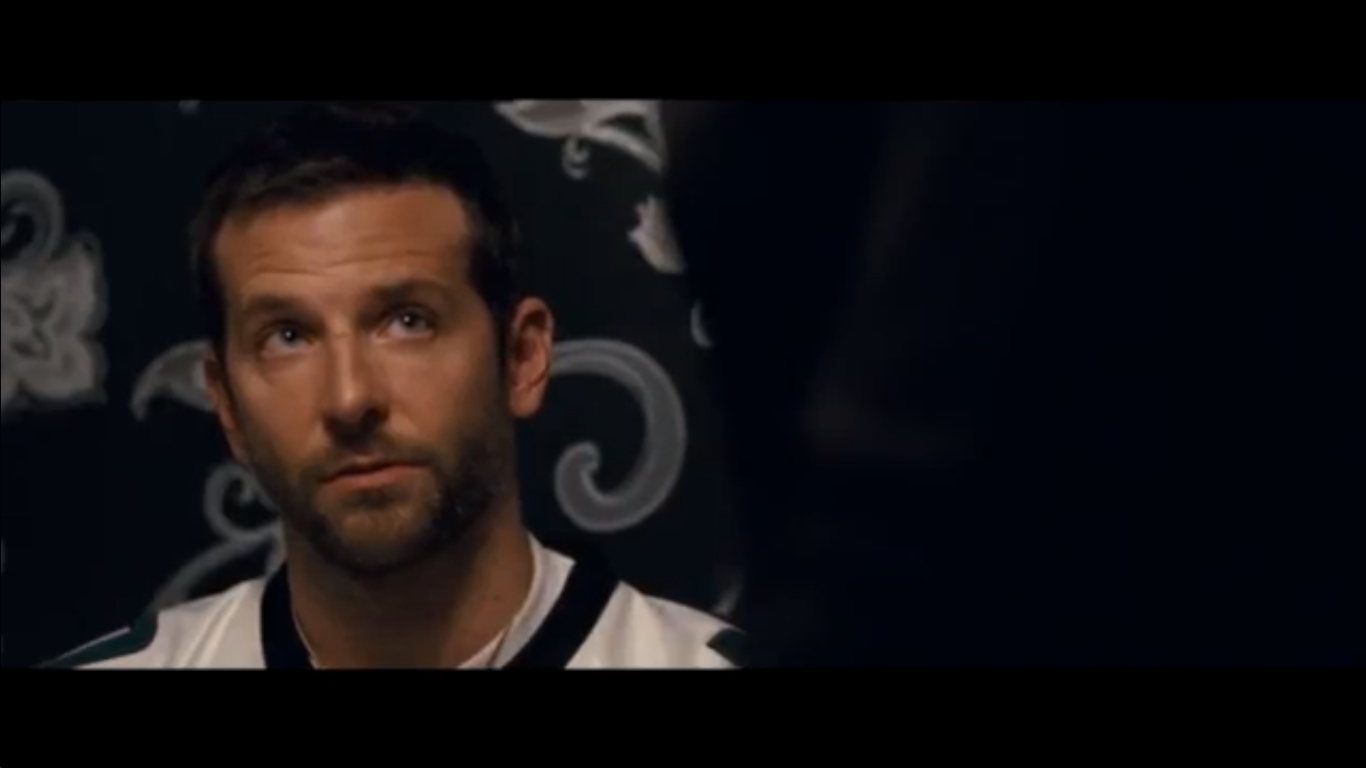
11) Silver Linings Playbook (David O’ Russell)

Most modern romantic comedies are neither romantic or funny but seem to have been manufactured at the same factory production line then afterwards studios give Gerard Butler a call. How great to have a rom-com is smart and funny with characters you care about and nobody in the film is played by a Celtic fan from Paisley. Like David O’ Russell’s last film The Fighter (2010) all the genre rules are present but its the family dynamics, the personality flaws, and the offbeat humour which make Silver Linings Playbook special. 

The Mill and the Cross – (Lech Majewski, 2011)

Biopics can be as tiresome and formulaic a genre as any other. At their worst they never manage to engage with the creativity of their subject. Director Lech Majewski is an artist as well as a filmmaker and approaches the cinematic image like a painter. There have been great films about painters that forego conventional narratives before but Majeswki has done something unusual with this remarkable computer generated recreation of Pieter Bruegel’s ‘The Way to Calvary’ (1564).  Paul Cox’s beautiful documentary Vincent: The Life and Death of Vincent Van Gogh (1987) has John Hurt reading letters by the painter to his brother Theo accompanied by images of his work. In Victor Erice’s The Quince Tree Sun (1992) the director filmed artist Antonio Lopez as he attempted to complete a painting of a tree in his garden while reminiscing about his past. Raul Ruiz’s Hypothesis of a Stolen Painting (1977) might come closest to The Mill and the Cross with an art curator speculating on the meaning of a painting yet the work of art in question is fictional. Majewski takes this further by actually placing the artist inside his creation as he puts it together.
Bruegel (Rutger Hauer) is first seen moving through the landscape arranging costumes on the figures in his painting as if he was a film director organising his set. King Philip II of Spainhad taken control of Flanders and had decreed heretics should be put to death. Bruegel is helpless in the face of this brutality so he functions as an observer and his painting is a form of protest at the treatment his people are receiving at the hands of Spanish soldiers. Michael York plays a rich benefactor and essentially performs expository duties for the audience explaining the political situation in an understated dignified way which is surprisingly moving. People are cruelly dispatched in The Mill and the Cross but their end is surveyed in a manner which seems almost dispassionate by Majewski. Yet he is simply observing like Bruegel. There is nothing to be done for these people who are beaten and hoisted into the air for the crows to finish off, or buried alive. There is an absurdity to these scenes which is at once comic and deeply sad emphasising the pointlessness of these executions and their horror.
At the centre of the painting is Christ carrying the cross to his crucifixion. Charlotte Rampling plays Mary, Mother of Christ whose lament “there must have been a reason he was born” is I think the saddest line in a film I’ve heard this year. This theme of loss permeates the film, not just through death but how very far the Catholic Church in the 16th century fell away from the teachings of Christ and instead recreated the kind of religious persecution he faced. There is no real narrative, the dialogue is minimal and non-realistic. The purpose of the film is entirely about making the audience understand the meaning of the painting. The Mill and the Cross closes with a scene showing ‘The Way to Calvary’ hanging in the sterile environment of a museum amongst all the other paintings like a John Doe lying in a morgue. Credit to Majewski bringing the figures in Bruegel’s painting back to life in such an illuminating manner.
As of yet there are no plans for a UK release in cinemas or on DVD but there’s a decent region free US release available for import. 

Django Unchained (2012, Quentin Tarantino)

“The D is silent.”

I’d rather listen to Quentin Tarantino talk about cinema than watch one of his movies. Like Alex Cox , also a devotee of the ‘Spaghetti Western,’ Tarantino is a great critic but his films feel like cover versions of whichever genre he happens to be working in at the time. Here he is discussing Chungking Express (1994, Wong Kar-Wai), a movie he helped bring to the attention of US audiences back in the day.

However stylised they may be there is an emptiness to Tarantino’s movies. They mean nothing. They say nothing. Tarantino never makes you think or makes you care. Django Unchained is no different even though it does deal with slavery, but in such a simplistic way it is no more condemnatory than Kill Bill is of Yakuza crime syndicates. Slavery is just a plot device to allow Tarantino to indulge his love of Blaxploitation movies and for the first hour Django Unchained is entertaining enough as loquacious dentist turned bounty hunter Dr Schultz (Christophe Waltz) frees Django (Jamie Foxx) from chains and enlists him in a hunt for three fugitive brothers. Once they are done with this and set out on a search for Django’s missing wife Broomhilda (Kerry Washington) the film becomes an interminable battle of wits with camp Southern gentleman Calvin Candie (Leonardo DiCaprio) and his loyal manservant Stephen (Samuel L. Jackson, just…fucking hell).
‘Spaghetti Westerns’ provided an outsiders view of an American genre with a subversive disregard for conventions and a strong sense of social injustice. Damian Diamani’s A Bullet for the General (66) epitomises this contrast between a love for American culture and left-wing idealism. In Diamani’s movie a Mexican bandit played by the great Gian Maria Volonté, a Communist in real life, chooses revolution over his money-making partnership with a charismatic US government agent. Corbucci’s wintry masterpiece The Great Silence (68) has its gunslinger hero (Jean-Louis Trintignant) prove ineffective against the state-sponsored bounty hunters working to protect the rights of landowners. While Leone turned his gunslingers into mythic figures his political views were cynical. Any form of authority was to be mistrusted and even the closest of friends could turn on each other as in this key sequence from A Fistful of Dynamite in which an IRA volunteer (James Coburn) realises he has been betrayed.
For all the controversy over race Tarantino’s approach to the material is surprisingly safe. Basically he’s made The Help with six-shooters. A film which deals with racism but locates it firmly in the past and makes those who participated in it seem ridiculous. With all the economic, religious, and political chaos going on at present surely Tarantino could have found some way of fitting those concerns into Django Unchained. The fairly standardised woman in peril plot just makes Tarantino’s film seem so very small in scale despite its epic length. 

‘The Hobbit’ (2012, Peter Jackson) – Station Screening Notes

“The wild is no place for gentle folk who can neither fight nor fend for themselves.”
These days director Peter Jackson is now so firmly identified with the world of J. R. Tolkien it seems hard to believe there were doubts back in the late 90’s when it was announced he would adapt The Lord of the Rings. Back then Jacksonwas best known for making gory low-budget horror films, although Heavenly Creatures (1994) based on a notorious matricide in New Zealandshowed a more serious side. Adapting Tolkien’s epic trilogy had already defeated a number of filmmakers notably John Boorman, while an animated version by Ralph Bakshi in 1978 was abandoned halfway through. The Lord of the Rings may have been larger in scale than anything Jackson had attempted but the signs were there he could deliver. These early films might feature ridiculously gory scenes of aliens being dismembered with chainsaws, or sheep getting blown up by rocket launchers, or a kung-fu kicking priest beating up zombies, but they also show Jackson’s flair for special effects and his gift for the fantastical.
After the success of the Lord of the Rings movies which culminated in a Best Picture Oscar for Return of the King (2003) it seemed likely The Hobbit would be next. Jacksoninitially intended only to produce the film. Mexican director Guillermo del Toro (Hellboy, Pan’s Labyrinth) was hired but left the project after two years of pre-production so Jackson once again resumed directorial duties. The Hobbit is naturally enough for a film based on a children’s novel lighter in tone to The Lord of the Rings though it feels very much like a return to the world created by Jackson and his team over a decade ago.
The cast is largely made up of television stars and trying to recognise them under their makeup is part of the fun. Martin Freeman is impressive as Bilbo Baggins, the Hobbit persuaded by the wizard Gandalf (Ian McKellen) to help a group of dwarves regain their homeland, but see if you can spot former Doctor Who Sylvester McCoy, Richard Armitage (Spooks), James Nesbitt (Cold Feet), Ken Stott (Rebus), Aidan Turner (Being Human), and Brett Mackenzie (Flight of the Conchords). Barry Humphries, better known as Dame Edna Everage, Benedict Cumberbatch (Sherlock), and Manu Bennett (Spartacus: Blood and Sand) are in all in there as well although their performances are motion captured and then recreated by computer generated imagery.